"If high prices held you back from building, you are in luck, as the tables have now turned"
Except... many builders will find some other reason/excuse where prices are high to keep prices high. We were looking at building a house - talked to builder last November and... looking at $470-$480k range (ballpark estimate). Lumber was going higher, but we'd reduced the house plan size. Lumber kept going up... and up... Then... no parts were available (IIRC certain trusses were unavailable for months, that's just one that stuck out).
We regrouped a bit later. House was now going to be min $620k, but... no guarantee it would be $650k or $700k. Builder has been working on spec homes in the $700k-$900k range last few months, whereas exact same size houses 1 block away they were building and selling in the mid-$400s 14 months ago.
Before we cancelled the project, we asked why we couldn't build something smaller and target a time in a few months, as lumber was coming way down to where it was 18 months ago. "Everything else has skyrocketed..." which... I know things have gone up some in the last 18 months, but I think there's simply some "get high prices while you can".
When talking to some home finance folks, they're all saying "watch out for HELOCs in 18-24 months - people will be clamoring for HELOCs as they won't be able to sell these $700k houses they're buying, because they won't have appreciated at all, and the homeowners will be trapped".
There may be 'blowout' prices on lumber itself, but around here I'm not seeing any 'blowout' prices on new construction in the short term.
Common practice in construction industry is to overcommit to too many projects, then raise prices until the most cost-conscious customers drop out. Now you’re only left with the customers willing to pay the highest prices.
It’s not really about lumber prices. It’s about finding the highest construction prices that the market will bear. Can’t find the limit until you push so hard that some customers start dropping out.
Ah, another type of market assholery. Price discovery mechanism that's free for the builders, but very expensive for the would-be customers. About as nice as grading on a curve.
I wonder if there's a space for business for an intermediary who would take on multiple builders for your single home, wait for them to do their price discovery dance, and then drop every one of them except for the cheapest one.
Disrupting schedules isn't free for customers either.
"I wonder if there's a space for business for an intermediary who would take on multiple builders for your single home, wait for them to do their price discovery dance, and then drop every one of them except for the cheapest one."
Having worked with subcontractors a race to the bottom is not a good plan. IMHO subcontractors cost is directly proportional to experience. Simple unseen things will get missed eg: wrong type of drywall in the bathroom.
No, I meant a legitimate intermediary. If builders get to overcommit and then cancel on their customers, why shouldn't a customer be able to do it too? The intermediary would just offer a service of doing that for you - booking multiple companies for your construction project, waiting until the last second, and cancelling all but one.
> If builders get to overcommit and then cancel on their customers, why shouldn't a customer be able to do it too?
Why couldn't they? I'd imagine the only problem is it is an ineffectual strategy for a client. There is a lot of money involved, people are already doing everything they can think of to get the lowest price.
It is absolutely a dick move to lead someone on, but in the grand scheme of things a minor problem. Construction is a mess of problems.
Builders often require a nonrefundable deposit to purchase materials prior to the start of a job. That’s where the squeeze happens, after you’ve already selected your contractor.
Huh, so they overcommit, accept deposits, then force some of those customers out - do they return those deposits then? If not, how is this not criminal?
Because the customers are the ones quitting, they forfeit the deposit by their contract.
The developers aren't held to a timeline in the contract. They just stall forever, working on the ones willing to pay the most. If they ever ran out of better customers, they would eventually get around to the cheaper customers.
They've done something unethical, but they haven't broken the contract.
Probably. The attorney general is working on actual fraud. This is just probably fraud. No time for that! I think there’s a healthy dose of buyer beware to be had, though that almost seems victim blaming.
The only reason they developers can do this is there is a lack of people that can build houses creating a non competitive market. A huge portion of US home building is built on migrant labor which has been in short supply since 2016 and even further pressure from covid. Moreso housing is a boom bust style market that squeezes out competition during busts and increases prices during booms. This is how supply and demand curves work in this market.
> then raise prices until the most cost-conscious customers drop out.
Typically they don't even care about customers dropping out. They just work down their list from the highest quotes to the lowest. The customers who were quoted a low price simply never get their job started unless work dries up for the contractor.
General price discovery. Not too different, but auctions would have multiple people bidding on the same unit, rather than simply the same build plan here.
> I'm not seeing any 'blowout' prices on new construction in the short term
We are in a housing shortage [1] which is driving a home-construction boom [2] powering a construction-labor shortage [3].
Until that labor shortage is resolved, via higher pay (which, depending on the rate of new entrants, will either reduce margins or be permanently passed along to consumers) or via new recruits, raw-materials cost advantages aren't going to be passed along to consumers.
I've been discussing with builders for the past few months and they state that the main issue is the lack of low-skilled laborers. They claimed that many workers at that level left >18 months ago and haven't returned due to the protracted, bonus unemployment that they were receiving, which recently has expired.
Almost all contractors/builders expect the low-level workers that have been on the sidelines to return over the next few months and project to be able to handle 2x the work by Spring 2022.
> They claimed that many workers at that level left >18 months ago and haven't returned due to the protracted, bonus unemployment that they were receiving, which recently has expired.
Doubt. I've been on unemployment before. If you're skilled in the slightest, they are putting your ass to work quickly. If you're unskilled, but can lift 30lbs, then they are putting your ass to work pretty quickly. The people managing to run out the clock on unemployment are basically 50+ year old women, or those who are really good at gaming the systems which are not easily gamed.
I built a house in 2018 and there was a huge construction labor shortage even them. Partially due to difficulty getting immigrant workers and partially because people who left the business after 2009 are only recently starting to be replaced.
People were not receiving typical unemployment benefits. When you look at the size of the benefit amounts from the perspective of a working class person or Jr Employee, it was a no brainer: Stay at home, make more money.
Check out the number of people who were still receiving unemployment when the federal bonus ran out and compare that to the number of open entry level positions. People were/are absolutely choosing to say home instead of finding work.
Who can blame them! It is the smarter decision.
The US Gov’t should have stepped this down much earlier. Now we have a decent sized group of young people who have spent the better part of two years expecting checks in their mailbox and no student loan payments. Reality is going to hit them hard.
I think our collective charity is running out. IMO, All this is going to result in is childish tantrums demanding “basic income” from able bodied people who are finally being forced to to accept the economic realities of their position.
We backed out of working with a builder because price went up about $100k over the course of 3 months earlier in 2021. There is no way that was justified , lumber and supply chains notwithstanding. I respect his right to maximize profits in this market, but I won’t be part of it.
You realize a massive market crash is coming soon? The quick sugar high from all the stinky $$$ will dry up soon, and then the market will crash. If that happens, expect it to be very cheap to buy a house and a used car when all the people who could barely afford their new car/house find themselves underwater, unemployed, and no longer receiving Covid stimulus checks.
But who knows, maybe the economy will just keep booming forever
They’ve been saying there’s a pending crash for the last five years. I’ve expected it too.
The only thing that happens is soon as the market gets skittish, the fed prints money. They seem to be so scared of a recession, or maybe, the poets that be are so leveraged up themselves, that they will do whatever it takes to prevent a crash.
My thought is, don’t be so leveraged that you’re the first to collapse when things go down. If things continue collapsing, the fed will step in and fix everybody still standing.
20 years of continuous growth in Australia, with economists predicting a bubble burst every year. I believe we've had 2 quarters over those 20 years that didn't see growth.
Second this. If inflation numbers keep going up 5% per month, the cost of literally everything will keep going up. There are labor shortages in a lot of industries which means employers need to compete on $/hr or workers will go to where they can make more. Not out of spite or greed, it will cost more to feed their family because those costs will have gone up.
This also means the housing prices will probably continue to go up as well.
Not what I'm seeing. Hot dog buns to cheese, everything that was $2 is $3 right now. I swear everything has whole foods price right now. I don't care what the govt. is tracking they are obviously not in my safeway.
The other thing I noticed is that for about a month some items had a price increase of about $1 but at the same time suddenly was "on sale" for $1 off (club card sale). So with the club card you paid the same price as last month. The sale ended two days ago and low and behold what I used to pay 3.50 is now 4.50. I have a feeling if they are calling stores, they are probably giving them the club-card price, so some of these price hikes are delayed.
If someone actually finished working on an inflation database website I would love to enter data for them. I'm seeing spikes across everything I buy in the last 2 months. I feel like the true inflation for food itself is at least 33% in the last 5 months.
My understanding is that the price of food is not generally included in the most-commonly reported version of the CPI for the past few decades. So you could both be right.
who has all this money to spend? everywhere everything is so expensive. i make a ton, and this doesn't add up. nothing about home prices seems to add up.
I don't get it either, and I'm a hedge fund manager. To my mind nothing seems like it's a sensible price in any of the cities I look at. I mean I get that there's a fair few people making good money who can buy a £2M home, but it doesn't make any sense that there are entire swathes of London where every home is like that.
A quick google suggests that a £100K income is in the top 3% in this country, and top 1% is about £176K.
Sure, there's a few hundred football players averaging maybe £3M a year who can thus buy maybe a £15M palace, but if you go on a property site they could each buy one and still have pages and pages of places left on the market.
Similarly there's a bunch of finance/media/law people who've climbed to the top of the greasy pole and could afford a £3M house. But how many can we really be talking about? A few thousand? Ten thousand? Are there really that many MDs and law partners in London?
Average income is still well under 6 figures in this country, and I know a load of doctors who are only just scraping into that category in their 30s. So if you're just scraping into 6 figs as a highly trained and rare specialist, how can there be so many houses that cost 7 figures?
Even if you add parental help, how many people who are splitting inheritance between 2/3 kids is it actually going to help?
I suspect a lot of people have actually drawn on all reserves: found a high income partner, got help from the parents, got a max leveraged mortgage, and possibly some have lied about their income.
Isn't London housing driven largely by foreign investment? As in, wealthy people from across the world who are parking capital there because it's safe, not because they care particularly about returns.
If brexit didn't end this, then it's probably a pretty stable system. It sucks for locals, but there are far worse places to over extend yourself on housing than in London.
Yes, it will. When people get shoved into tiny homes with their parents and children and have zero hope for any future on their own, you will see the people say enough is enough. They will march. They will protest. They will vote. They will clean house.
Being valued at £2M doesn't mean you could sell all of them for that price or that the people living in them paid £2M for them.
The sort of person who could afford a nice house 3+ decades ago and spent the intervening years living in London isn't likely to move to somewhere more rural just because they can realise an investment.
> Being valued at £2M doesn't mean you could sell all of them for that price or that the people living in them paid £2M for them
But in London these houses do sell, normally very quickly (and bullshit apartments in shiny new blocks that are in same price bracket I guess same, generally they do seem to sell, but I assume that's just parking money for tax purposes so not quite same thing).
As to the question of who has that kind of money: you're talking about income from employment, not assets. Maybe there are a lot of people with assets that put them in reach of £2-3M homes. And of course there are foreigners who don't work in the U.K., like Saudis, Russians, and Chinese.
I know people living in London where prices are insane who secure a mortgage without ever intending to pay the full term. They buy a property, live very conservatively in the hope the prices go up and use that extra boost to move out of the city.
If prices on an investment rise more than inflation 90% of the time why wouldn't you buy it?
I feel bad for the people renting in London. Most people I know there simply can't afford buying as it is prohibitively expensive (>300k pounds I think?)
A ~14 year bull market, interest rates, and the last decade+ of appreciation on real estate. Everyone is flush with cash and borrowing money against a home is free.
If you already own a home that appreciated to $800k+ then trading in to buy at $1M doesn't seem as bad.
Prices seem silly to me here too (Australia) but a lot of it seems to be a combination of the perception that house prices just always go up, so you have to "get on the ladder" as they say and trade your way along. Each step doesn't seem to be a huge investment in itself. If you don't hop on, then you get left behind.
But that means moving all the time. Yes you will trade yourself to the best house in the end and perhaps to a much better neighborhood, but moving can be a bit traumatizing...
But tax law here also makes loss-making investment properties attractive to people, and borrowing against equity is another thing. Interest-only loans (as interest is a deductible investment expense), plus other expenses (all the better if it's in a nice holiday destination so flights and hotels to "inspect the property" are deductible), resulting in a minor loss on rent, which is offset against your primary salary and other investments.
Negative gearing like this allows people to basically zero out a house on the balance sheet and move on to buying another. Let it appreciate for a few years and you're ahead. Be a major voting base and politicians won't dare ruin your gravy train.
What's confusing me is the seeming lack of location-based price gradient.
According to the estimate-o-matic tools, the house I'm in is worth about 425k. There's basicaly nowhere in this market I could take 425k and get a house meaningfully bigger or better. Not in the new-developed neighbourhoods where the maps say "eventually a grocery store is planned, but until then it's a 10km drive", not in old neighbourhoods where it was built in the 70s and the floorplans top out at 1500 square feet.
I've been trying to sell my family on the Rust Belt, but so far no dice.
As someone with two realtors in my family, my understanding is most people are living beyond their means and don’t actually have the money. But the rates are low and loans are being handed out like hot cakes. People are carelessly and knowingly going into negative equity right now and will have a big wake up call once this market stabilizes, they’re going to be stuck for quite some time. Some of these people are even tapping out their 401k in their 40s just go buy right now. I don’t know if it’s FOMO or what but it makes zero sense to me.
There are those who sold at a higher price and got spring-boarded into a higher priced house but these are the exceptions.
In Australia, we had a royal comission into banking a few years ago, and the outcome was much tighter rules on lending, equity from assets, etc. We also don't allow people to invest in their own or family property from their superannuation (retirement fund). Yet our market has grown and grown, rising 17% or so in the last 12 months and almost 7% this quarter.
Yes we have a very low interest rate currently, however the median wage to house price gap is growing bigger daily. Yet the demand still far outpaces supply.
I think for a lot of (white collar) people, the last year and a half of covid has been the most lucrative time of their entire lives. Crazy returns across all asset classes.
In terms of my stock portfolio (just 401k/IRA and some shares in an employee stock purchase program), most definitely. I actually feel a bit guilty about that. So many people have struggled financially but I did not. Top that off with seeing so many people jumping to new jobs, and discussion about big bumps in salary due to competition… it’s hard not to see that there’s a huge disparity between the tech sector and everyone else.
my measly half million dollar worth of stocks "only" grew 30%. There's a significant amount of people do that much better than i did? what am i missing?
There aren't that many people above you, but 1% of the US population is still millions, and they have an outsized influence and visibility.
Property also suffers from "pigeonhole" effects; a few foreign millionaires parking their money in empty properties at the top end causes everyone to move along one.
The threshold to be in the top 1% in the US is 11M. A US citizen needs 4.4M to be in the top 1% globally. More than 8% of US families fall into the millionaire category.
In my opinion, it's more meaningful to look at top X% as a function of age bracket. Any moderately successful American born in 1950 is probably a millionaire today.
I tend to agree, but the numbers aren’t that crazy. My rent in the Seattle area is $2500/month. I could buy a reasonably-nice house here for around $750k. If you have a $150k down payment (which isn’t unrealistic to amass over ~5 years on a nice tech salary), your mortgage payment will come out to ~$3000/month. That’s not chump-change, and it’s more than my current rent; but you’re getting a lot more for your money. The numbers get a lot nicer if you’re splitting them with a partner.
Am I jumping to make this particular financial decision? Nah. But it’s not wildly out of reach.
What about property taxes? Don't know about WA, but where I am property taxes are nearly half again as much as the principal and interest, so a hypothetical $3k (P+I) could be more like $4-4.5k in some areas.
I bought a $500k home in Pierce county, property taxes are 1.2% here vs .93% in King County. I'm paying about $6k/yr in property taxes and they would pay about the same +/- $1k for their $750k home.
I think people have just increased the fraction of their income they are willing to spend. If people in Austin will spend 50% of income instead of a third prices can go up a lot
>If people in Austin will spend 50% of income instead of a third prices can go up a lot
Exactly this. Somewhere along the lines in the past decade or so, it became completely normal to lend people 10x their income to buy a home, when historically that figure was 3.5x.
I've been wondering the same. Apparently, where I live (HCOL) people don't care about ever paying off the full amount, as long as the monthly installment is low. Regulations only require that you paid off 33% of the house value after 15 years.
You do need to start at 20% capitalization though, which at current prices means they need to own assets already (market risk), or have bonkers amounts of currency sitting around (inflation risk). I understand the FOMO some people must have.
I wonder if ultimately there is a cascade happening, where increased valuations lead previous owners to either take new mortgages, or sell their old house, and pay more for a new one. Which creates a cycle of ever increasing prices? I've never read anything though whether such an effect exists.
In HCOL areas of the US, 10% down is becoming more common with private lenders and 5% is even a possibility (or at least was pre-pandemic). Pre-pandemic we had multiple competing banks for a $1MM+ mortgage w/ 10% down.
there's also insurance, pmi if you didn't do the down payment, hoa seems common, taxes. Thats all more then 50% of my take home. (Im not including my rsu, im hesitant to budget off that theyre so variable) And a million dollar home is cheap at the moment. Looks like the median in sf if 1.5million.
Money is “cheap” and people think in terms of monthly payments only. Done larger builders are pitching things in terms of monthly costs only; they don’t even publish prices, just payment estimates.
Asset managers, banks, property developers, and just general commercial construction are all hiring mostly the same trade professionals as residential. The former are snapping up a lot of homes.
My SO and I are both devs and we make good money. We live in a low CoL area and basically live on one income. We've been tightening our belt even more because everything is so crazy. We paid off our house recently but it was about 14% of our income. There's NO WAY I would move right now and buy a house and have it 30, 40 or 50% of our income. I don't understand how people who make the median are able to stay afloat right now.
its still expensive to borrow $700,000, on top of your current expenses. that's an extra payment of $3300, whos got that laying around to wait for a house to be built
You still end up owning the house, so it's more of a conversion in savings. And you'd probably be paying it off over time, with the help of ongoing income, if the mortgage rate isn't super high.
Land depends on where you go, no comment there, but keeping up payment on your current place during construction just means you end up paying for 21 years of housing on a 20 year mortgage, or 31 years of housing on a 30 year mortgage, not a big deal.
If the Fed is committed to propping up equity markets which they asserted in no uncertain terms when markets died in the beginnings of the realization that COVID was going to be much more substantive than SARS or H1N1, it was clear that equity markets would take the "good news" of lockdowns + continued lower interest rates as signs that equity markets were going to continue to rally.
I mean basically where is there yield? Crypto + NFTs (yuck to the latter), real estate and equities. Even just running correlation analysis on these various assets over the last 20 years showed that crypto was super underpriced (despite only 12/13 year track record) while real estate is tremendously overvalued and equities were the only thing to react in a reasonable way to both (1) the initial realization covid was serious and (2) the Fed stepping in with 2 novel revolvers for SMB and for corporate credit. Treasury even threw in a bit into the bowl and performed stimulus. The last 1.5 years likely minted more "wealth" than in the previous 100 years combined (hand waving a bit) - a framework was laid to make much more money than what you put in provided you were looking at what was to come based on what was spoken.
You know, all these people talking about savings being sacred and driving investment. All that stimulus did nothing. It turns out, unlike the cartoon villain depictions of government in various economic ideologies, governments are one of the biggest drivers of investment in an economy and taking money away from them often results in less investment overall. Meanwhile it's the private sector that failed to invest its money.
When people talk more and more about how lower taxes on the rich boost investment you already know that private investment is dead and won't recover no matter what you do.
Assuming a 4% interest rate and 30 year mortgage that 700k house will also cost you $500k in interest and therefore the financing cost of that house is $1.2 million. The fun part: dropping interest to 0% raises the price of the house to $1.2 million without raising the financing cost.
What dropping interest rates does is not prop up the price of housing, it's increasing the resale value of the housing you already pay for.
A down payment is required if not paying cash, usually 10-20%. You’re financing the rest at 2-3% for 30 years, or borrowing against your public securities at ~1% and a reasonable amount of leverage (~%30) dictated by your brokerage.
You also have to remember that the construction industry itself is constantly in a boom and bust cycle and we are in the boom cycle right now, it would have been more expensive now than a year or two ago even without the pandemic or any other economic factors, just those other factors have nudged it up a bit higher.
Couple years from now it will settle down and carpenters and tradesmen will be fishing for jobs again and lowering prices for consistent work instead of like now where they can throw out a even the shittiest net and catch over their limit.
They're not lying though when saying everything else skyrocketed. There's been shortages of everything.
With that said, labor shortage in the trades is probably the biggest culprit at this point. Even before the pandemic, in some areas you couldn't get a contractor to come in to do anything unless it was a massively profitable project. I had contractors walk away from 6 figure projects because they weren't big enough.
The pandemic made it a lot worse. Plumbers here are booked 6 weeks ahead for anything that isn't an emergency.
Everything has skyrocketed. Specifically when you are in the middle of a construction project you need to get all of your materials to a worksite at a specific time, there’s very little schedule flexibility. This means they are outbidding people that do have schedule flexibility.
The housing market has cooled and you can get some good deals now, but in 60months we’ll back in a growth market. There simply isn’t enough supply to keep up with demand. People keep having kids, cities keep limiting housing density, suburbs can only sprawl so far.
Yes, these companies and contractors have already spent a ton of extra money panic-buying lumber at a highly elevated price due to the shortage. Many of them probably didn't even have a choice but to buy in order for their building contracts to stay valid.
For most it's far more expensive to get bogged down in litigation than just buying the lumber at whatever the asking price is. So now they've got to cut corners or find another way to make money despite of their elevated holds of lumber.
The result may very well be deflation, as contractors are now forced to undercut each other to get new building contracts, as lumber production has been increased to meet the demand. That is if you can afford to wait.
Think of it like a traffic jam. The cars behind the lumber car won't be able to move before it can move, and then—due to market insecurities—the lumber car might not even be able to go full steam ahead. Because no lumber producer wants to producer more lumber than necessary, since that'll only lead to the price dropping unnecessarily. And so we're stuck in a situation where the line leap-frogs slowly forward until the guys in the front finally feel safe enough to push the pedal to the metal.
Yes, builders will react by trying to artificially maintain the high prices. But they will ultimately be overcome by the market reality. Unless they all band together but that's impossible given the scale and illegal.
I feel your pain... I was looking at building a house (with a national builder) and the historical prices in that neighborhood showed that the price went up about 30% in the past year. I think most of that was just the general price of housing, not just raw materials.
We decided to stay put in our existing home for the time being. I don't think housing prices will likely go down much, but maybe level off a bit? The rise in the Case-Shiller index certainly doesn't look sustainable: https://fred.stlouisfed.org/series/CSUSHPINSA
I need to do some renovation but contractors keep saying that aluminum's price went up by 70%, steel by 80%, etc. So it is not only lumber. I postponed everything until prices settle down.
This is the same thing happening with cars. There isn't enough new car inventory so used cars are going higher and higher. Dealers are buying used cars for MORE than people paid new. As already built houses for sale continues to rise, new construction and rents will rise too. The market is adjusting to make all choices equally bad.
I'm starting to see dealers sell at, and in some cases above, the cars MSRP. The value proposition of buying new is shaky enough during good years, I cannot imagine buying a new car above MSRP.
Does it not start to become cheaper to rent some storage and buy the items when they are low, like timber now and then the other core bits, biding your time. Though storage costs a factor and equally equity to buy the materials over time at the right prices. But then those materials are assets and if you buy cheap, even if you don't go ahead - resell will break you even at least.
Much the same way air-con units and fans cost more in the summer compared to winter - prices do seasonally fluctuate and those can have a knock on effect. So cheap timber will drive up the other items with demand, so you can almost foresee once timber goes up, the ancillary items will come down due to demand again. That and winter, will curtail some demand and that may well be the time for buying some items.
They don't need an excuse. Thanks to the idea of the Great Reset, everyone with enough money is trying to have a house they will eventually rent away, or live in it themselves.
There's zero reason for prices to go down. None. I've read that plenty of houses are being bought even above asking price, so cost of building isn't a real factor.
Sure, I'm not counting the crash where all the clueless dumb money will try to sell their houses.
When the bubble pops only the idiots will try to sell, and the smart money will grab whatever they can. ROI in terms of "old money" is irrelevant. What matters is getting rid of old money and investing it in something that brings in new money post-crash.
You say "only the idiots", but people who have fallen on hard times (perhaps because of that same housing market crash) could be forced to sell their houses, too, essentially hurting them twice.
I'm seeing prices go down. I've been looking passively for a few years (it's like my version of doom scrolling on Facebook or something). Houses in Columbus listed for $500,000, $600,000, $900,000, etc. are dropping in price, $5k cut here, $10k cut there, and then it's a total of $25k cut. Or they pul it off the market and re-list $50k cheaper.
Neighbors just sold their house, went for $5k under asking in one of the best school districts in the state. I think it's over-priced still, but w/e. Point is there hasn't been a whole lot of selling under asking price going on, and now there is.
Around 15 to 20 years, houses start to need expensive maintenance- new appliances, perhaps siding or roofing if you've had a rough run or it was poorly installed, etc.
If you are unable to sell the house and don't have a nice savings cushion, you need to look at a HELOC to pay for it.
Since sellers often pay real estate agent fees and some others, you need a pretty decent sale price above what you owe on the mortgage just to break even... And then money for moving costs and a down payment on wherever you go next.
Edit: it is also not uncommon to take out a HELOC to pay for sprucing up a house- flooring, new kitchen, etc- if you are struggling to attract any buyers at all. I've known people in smaller towns go into debt just to sell their house because they had to move for a job. They even tried renting it out for awhile since noone was buying, and the renters ended up trashing the place, so that made it even harder.
The UK has a high population density, and a lot of land is still owned by old nobility who don't really care to sell it.
In the rest of Europe prices are much lower, I'm currently building a house in Northern Europe on the outskirts of the capital (within city limits) and we paid €30/m2 for the land in 2019.
A friend is a commercial HVAC contractor. They can't get parts for service work, let alone units for new construction. There's no amount of money to jump to the front of the list - the components aren't there.
What about other stuff? I got a quote for electrical work that was only good for 14 days because of the volatile prices of copper wire and other components like panels and circuit breakers.
People get HELOCs now, intending to flip the house sometime soon. Suddenly the house depreciates substantially in value, they still have to pay for the HELOC and the mortgage for a house that they weren't planning on holding on to and can't get rid of and now they are trapped.
I would wait. I'm an licensed inactive General Contractor.
If 14 months ago, they were building them for $450,000, I'd wait.
I'd shop around for another contractor too. A young guy starting out, might save you a lot. (There's no way to verify he knows what he's doing though.)
If you are some what handy, it's not that difficult to owner build your own house. That is if you get the blueprints past the town's council. Getting approvals is the tough part.
If you get all the town, county, approvals, and have a very buildable lot (flat, no flooding, etc.). Once the foundation is poured, it step by step, and done.
(If you decide to build yourself, don't make any changes. Don't build a custom house either. A simple home will make the process go smoothly. Realize too, the General Contractor just hires licensed subs, and takes a healthy cut off your nut. Then again--if you have never done construction yourself, disregard everything I said. I just pictured a typical computer developer in a wet lot, with an unhappy wife. Muttering to Google translate to communicate with the unlicensed, unbonded, subcontractor.)
> I just pictured a typical computer developer in a wet lot, with an unhappy wife.
Have you heard of the TV programme Grand Designs? It's just this over and over again. Sometimes the wife is pregnant, sometimes they're living in a caravan on site. https://www.channel4.com/programmes/grand-designs
They're not trying to build anything as simple as a house, either, the "grand" part implies some mad architectural vision that will become unliveable within months while also looking completely horrendous in its rural setting.
There’s some successful projects though! There’s a good range, I like the variety, from spectacular ego-driven marriage-ending failures (…the lighthouse[1]) to some beautiful labours of love (the tree house[2]).
Grand Designs is as much a monument to human achievement as it is failure!
It's amazing how many of the projects featured on GD end up being sold not long after completion.
The most dramatic one that I noted was a very contemporary museum looking home. The owner stressed how long they had spent planning it, and how you only get once chance, and it would be his dream home. He completes the house in the Surrey woods (it was beautiful, to be sure). Sells within a year and buys property on the Costa del Sol in Spain.
A lot of the issue is; they underestimate the build cost. So they end up with a decent chunk of equity (can be as high as 40% in some cases) but also a tonne of unservicable debt.
So you have two choices; struggle and be miserable for as long as you can before it all falls apart (but in your dream home) or sell up for financial safety and compromise on the location.
The mid project reveal is always "surprise we are pregnant". It brings me great added joy when they are building a 'dream' 3 bedroom house and it is the 3rd kid that they are pregnant with.
This. 3 kids here in a 3 bedroom house (~1100sqft). One in high school, middle, and elementary. It works, although another 500sqft would give us some more breathing room.
Since my boys are teenagers now, I spent the pandemic building a rather nice lofted bed setup out of baltic birch ply for their shared room. It gives them their own personal space (had them help design use cases) and more privacy than most kids in the world have. One is autistic and hypersensitive to the others habits, but I was able to mitigate 95% of that with visual blocking, acoustic materials, and a HomePod mini for pink noise.
You make do with what you have. Some of son’s friends live in 5-10M houses, some live in trailers, some in apartments. I think they all understand that, while they probably want more, they’re lucky to have this.
I remember watching an episode where they planned to build a partially subterranean home all within some sort of triangle shaped junkyard that sat on the interior of a block of townhomes. Completely ridiculous idea but when you've got lots of money, why not? There were two basement levels and then two planned above ground levels except they ran out of money for the top floor and stopped there. Who wants to live in that terrible location in a house where most of the living space is in a basement? They could have built a lovely country mansion or even a very nice normal house in the suburbs. Instead, they waste money on unique but stupid ideas.
I’m living this dream, just sans the TV crew. And without any crew. It’s been a learning curve, but a year after shovels hit the dirt, we’re just about ready to move out of our freezing vermin-ridden shack into our heated luxury shack with indoor plumbing.
Fortunately, my wife isn’t pregnant… I don’t think.
> while also looking completely horrendous in its rural setting
Reminds me of my grandpa’s house kinda. Well, he’s from Southern Europe, so he built a brick box amongst a bunch of mid century/post WWII vinyl siding houses. Nothing wrong with it, but sticks out. Sure is solid though. And a cube is a good use of materials to maximize inside space to perimeter ratio.
There was an unofficial drinking game on the internet, Kevin found out about it and deliberately made one episode to ensure all the rules got hit as frequently as possible.
> Realize too, the General Contractor just hires licensed subs, and takes a healthy cut off your nut.
Some close relatives bought a plot in a newly developed area, and tried to find a contractor to build their home. After listening to others in the area, it was pretty clear there was a couple of good, reputable ones and one avoid-at-all-costs.
So they went with one of the reputable ones. The guy decides at some point to have a look and see how it's going, and finds a somewhat confused-looking 17 year old trying to pour the basement floor/deck on his own.
Guy asks wtf he's doing there. Turns out he's the son of the guy running the avoid-at-all-costs contractor, and this was the first time the kid had done this kind of thing. His dad had told him to go and fix this, so being an obedient son he gave it his best...
Of course the reputable company had hired the avoid-at-all-costs company to do the job since they were too busy for some reason...
There's a form of reputation arbitrage where when there's a lot of demand, a reputable contractor just says yes to everyone with a project and then subcontracts out to the not-so-reputable contractors that the customer doesn't want to touch. We ran into this with our solar installer - they came with great reviews from 2 coworkers, and all their other reviews up until about a month or two before our project were great, and when we actually got folks who worked for the company out they were pretty good. But then they took our money and subcontracted it out to some roofers who drilled through our roof, even after the salesguy (who I later learned was also a subcontractor, and seemingly trying to screw the CEO) explicitly told me they wouldn't subcontract it.
I figure this is the brick & mortar equivalent of an exit scam, or a tech startup's "incredible journey". Build up lots of good will over several years and then blow it all as you collect enough money to retire and never deal with people again.
Yeah puncturing a roof is a big no-no - it can lead to water or structural damage to the house. Most companies (including ours) offer a warranty for it, and they did come out and fix it with some wood putty and paint, but we're still a little pissed. The also damaged the driveway (we're on a steep hill with a private drive, and told them that they can't drive large trucks up it, but they did anyway). And they seem completely incompetent for the first 2-3 times coming out and fixing it, until they finally gave up on subcontractors and sent their own guys out. CEO seemed to have no idea what was going on with his company with his underlings intentionally undermining him.
LMAO!!! This is a perfect example. Not surprised, in fact this is what I would expect to happen. People have no idea how difficult it is to become a good builder and make money. It rarely happens.
Stick to buying spec houses. They will always be better than a custom home because people get to examine the house before they agree to buy it. Whole world changes when you are under contract for a build/remodel.
We bought a spec house, but it was just getting underway when we signed the contract. I like that option, it worked out well for us. Got to pick all the finishes. Made some minor changes along the way to the plans, changed the appliance choices to fit my preferences, etc. So I got the upsides of a spec build, but I also got to make sure they put in a properly large kitchen island, double ovens, and other improvements that usually get left out of a pure-spec build.
I also got to visit the site every day and take pictures, which is really nice to have. Especially the day before they did drywall, I went nuts with pictures and now I can tell you exactly what the inside of every single wall looks like, what the electrical looks like, the plumbing, conduit, smurf tubes, etc.
Also, if you are nice and polite, you can talk directly to the subcontractors in some cases and get even more customization at a great price. E.g. the electrical guy offered to run cat5 throughout the house for a few hundred bucks. He couldn't terminate it, because he's not licensed for low voltage, but he could run the wire itself and leave it coiled up in a single gang box in every room. The builder didn't think to offer that, but having a chat with the electrician when he was on site gave us that option.
All the <10 yr old spec houses in housing estate near me have got huge mould problems as somebody cut corners on either the installation of the insulation, the detailed design of the floor/ground connection or the ventilation, or all three. In the UK spec housing has a reputation for being very poorly built. Try claiming anything under a building warranty and you'll realise you get nothing more than minor cosmetic repairs without going up against the warranty company's lawyers.
The biggest problem with being an owner builder is you don't have an ongoing relationship with sub-contractors. Which means that for any subs you hire, you will be their lowest priority and their smallest concern. Also, you don't really know what you're doing so you will think they made a mistake when they didn't and you won't always recognize real mistakes.
I did this for my new house that was being built before, during, and after the peak of the pandemic. I wouldn't do it again. We're moved in now and we find small mistakes all the time that an experienced contractor would have easily spotted during construction. It makes me wonder what we can't see. Oh and it's impossible to get the subs back out to fix the problems because they have all their money at this point.
My friend had a house built by a company and he had many issues left over even after getting all the issues he noticed taken care of. I just had a full house remodel done by a good friend who is a contractor and am noticing things that aren’t perfect. I guess I’m just wanting to point out that my experience is that getting perfection is hard no matter which route you take.
This. Contractors _mostly_ only care about things that will require rework. Anything that is cheaper to hide and will not be a problem for years if ever will just be hidden.
It's a good idea to hire a retired contractor or home inspector to check work quality throughout the project. It's extra expense but serves as insurance.
Just having someone will keep the GC (and usually the subs) honest most of the time. And it's super valuable when you have someone knowledgeable to go to bat for you if needed.
I recently did a remodel with a well regarded GC in my area, but still had an outside person to inspect for me. Saved me a lot of time/headaches, and probably only spent a few thousand extra
Properly waterproofing the shower is a major one that can be easily overlooked and won't typically manifest in a major way until years down the road. Hope your contractors used appropriate waterproof Kerdi board or cement board + roll-on membrane.
there is no perfection in home building. there are errors that the owner can see, and errors he cant see. the idea is to ensure all errors are in camp 2.
note: i got a job on a framing crew so i could learn to build my own house.
I know a person who built his aerated concrete house working a day job over 3 years, he did 98% of the tasks himself and probably 95% of those alone whilst maintaining a full-time day job. He has a non-english blog with many pictures and process documentation and was a huge inspiration to me whilst I DIY'd my new 2 bdr apartment from this https://imgur.com/a/UXfmx0Y to this https://imgur.com/a/vGntuhJ in the span of 6 months and a day job doing everything myself (all the furniture, electricity, kitchen installation, etc etc). I have many pictures but never bothered to post them up. When you do things yourself you can take your time and do things like this https://imgur.com/a/8cd1iHO with the tiles, everyone said it's impossible to do this connection with a laminated floor but I figured it out and it's holding great (took me 4 evenings to make the cuts, pour out epoxy basin to "catch" the heights etc).
I guess my point is, if you're interested in DIY it's ... doable, YouTube can be a great help depending on your region. I'm an ISTP in the Myer-Briggs scale and don't get bored digging into little details as I assume many people on this site. 3 years in no failures in anything I've did, people who hired regularly posted cracked corners, even ceilings in the local facebook group.
YouTube...essential craftsman. Builds a spec house and explains every detail from lot prep to selling it. Huge video series. I watched the whole thing and it reminded me of the craftsman I worked with as I was growing up.
He does open house tomorrow/Saturday, so if you live in driving distance to Roseburg, and want to see the house/shake his hand, it’s a pretty unique opportunity.
Masonry is usually harder than framing, especially when you live in the US where framing is overwhelmingly more popular. You can get pre-cut studs for your preferred ceiling height; OSB, housewrap, insulation, windows all match standard frame dimensions; roof trusses are common and affordable; renting a nailer and a miter saw is easy.
I don't know if it's the same guy, but I watched videos of a guy laying aerated concrete blocks himself and it's much more work: you need a good supplier of blocks with good dimenions, you still have to rasp down and sand down the tops of each row so they form a perfectly horizontal plane for the next row or the glue won't catch, door and window gaps are tricky and upper floors are even trickier if you want to use aerated concrete for the floor/ceiling.
I think you've hit the nail on the head recognising it's very location dependent. In Northern EU, if I built a house alone or with little help I'd definitely go for AAC (autoclaved aerated concrete) blocks. They are relatively cheap, light weight so easy to handle and you can have a less "serious" foundation for them as opposed to silica blocks, if you buy from Aeroc or some other known company the dimensions will be spot on. You make cuts using a special saw (https://www.toolstation.com/irwin-concrete-hardpoint-saw/p43...) and you don't need a concrete mixer on the plot as these can be glued together, so basically you don't need water and electricity on your land and can transport the tools in and out in your wagon/pickup every day. In addition you can grind away imperfections, even cut new doors and windows later because the material allows for it. The downsides are poor sound insulation and needing special anchors for hanging stuff. It's also very easy to make grooves for wiring and pipes, which again, can be done alone and without electricity https://i2.wp.com/elektroznatok.ru/wp-content/uploads/2017/0...
Expertise required is getting the corners up precisely and being able to use a laser level and a string. You don't make ceilings/floors from these, the best option for multi-story house would be to have the floors done from a pre-fabricated concrete blocks which a crane would put on your walls https://baltparma.lt/39-large_default/perdangos-plokstes-pk...., this will give very stable floor. On the other hand, in US there's lots of framing expertise as you're saying and the options I've laid out are probably not as accessible.
> "If you are some what handy, it's not that difficult to owner build your own house."
but without any experience (which is ~99% of us, even if handy), it is difficult to know how to build a house both efficiently (tools, techniques, sequencing, etc.) while meeting regulatory and bioenvironmental goals (airflow, water control, power, waste, etc.), because it's a whole glut of little things to know, most of which are not "hard" by themselves but overwhelming in totality.
for the inexperienced, i'd heartily recommend volunteering for habitat for humanity (at least a half-day weekly, more the better) and asking lots of questions of the experienced workers there to learn those little things (esp. the locale-dependent stuff) while networking with them to boot.
> If you are some what handy, it's not that difficult to owner build your own house.
I'm not sure what you have in mind here, but my brother did an "owner build" in the true sense of the word and sunk every nail into every piece of wood, every pipe, every wire, every window, floor, staircase, insulation, lighting, built all the cabinets, everything. That was 8 years of his life. Two of those years he literally quit his job and worked on it full time.
Caution, it is easy to seriously underestimate how much work it is to build a house. It could stretch on for years. Not to mention the pain in the ass that is bad weather, the logistics of sourcing and moving all the materials, plans, permits, etc.
>> Caution, it is easy to seriously underestimate how much work it is to build a house.
I used to work at a bike shop and thought it would be easy to build a bike from the ground up. Easy. Get a frame, fork set, and some other parts. Easy, right? I had no idea the amount of small parts one needs, including all the other minor stuff you have to buy like brake lines, headset, etc. Instead of a few week process, it became a few month process because I had to keep buying all these things I had forgotten about and didn't know I needed.
Now scale that up a house. I can't imagine the amount of things one could easily forget about on a project that scale and not realize until it was too late.
My 63 year old father just built his own 3rd home about 7 years ago. He had a single helper, and of course, we all (direct family) helped. Everything was done by him/us, foundation through roof with exception of the gas line hookup hehe. He started as a commercial plumber, welder, steel worker and machinist. Of course, outside of all of us helping to build his 1st, 2nd, and 3rd home, we all (whole extended family and friends) built each other's houses back in Poland in the 80s and early 90s. It's a great feeling watching your whole family working together while you lay bricks as an 8 year old. :-D So, yes, it's not that difficult to build your own house. You'll know the quirks and the issues that will come based on what happens during the build, and you'll be ready for them. However, it is work, so you should be ready to pay all of your friends and family with plenty of vodka and sausage.
How do you know if the building is structurally safe? I’m all for DIY in general, but with respect to a house, my biggest concern would be having the second story of the house collapsing into the cellar :)
And yes, my grandparents in Europe also build their house like you say. Not being involved in the process (nor other family that I know of), I’m afraid that such knowledge isn’t being passed down.
I think the parent comment was suggesting to hire subcontractors to do most or all of the work.
But I agree: It’s easy to greatly underestimate the amount of work that goes into a house. Contractors will have entire crews, all of the equipment they need, and most importantly they have years of experience to know how to do something quickly and in a way that will pass inspection.
A DIYer must first learn each step before doing it, which can take as much or more time than the task itself in many cases.
I watched a carpet guy come in and install carpet in our basement in a day and a half. It was a significant sq ft install >1000. Guy was a machine. He had help on a few things, but did it all fast and very expertly. Impressive to watch someone that really knows a physical craft. It would have taken us 3-5x as long if we did it ourselves.
If you were a web developer in 2019 building your own office that never collapsed I have to assume that's only up until the last thing you can remember.
"You asked about that stick by the side of the house? Yes, it applies a style to the house, keeping it straight. No, don't pull it out! Consequences will be... cascading!"
If I may ask, what are your thoughts on BuildZoom? If I go through them can I be more certain about quality work?
I have heard many horror stories of people who had houses built and the builders made terrible mistakes. The person having the house built had to micromanage them and kept finding bad mistakes, like "forgetting" to put insulation in walls before the drywall, putting a window in the wrong spot, or putting crawlspace pillar supports in the wrong area.
I feel like right now the most reliable way to make sure my house gets built right is live nearby and check on it every day. Is there a better way?
People don't forget to do that stuff. Drywaller shows up with crew. Insulation is not in. A lot of people just shrug and install the drywall. Maybe they are in a good mood and have another job close by that they can go to after informing the GC about the insulation. My money is on them just throwing up the drywall. Imagine the "bastard operator from hell" and you will have a good feel for how they view you and your house...typically. There are some craftsman out there but good luck finding them.
It is hard since even experienced and capable builders might still take you for a ride. In the UK, plumbers are notorious for not turning up to jobs and not even calling etc. Those that know what they are doing are also prone to inflate a quote to someone they think can afford it.
The other problem in the UK is there is no formal registry for a "builder" as opposed to plumbers, electricians and even window fitters that have to be registered.
There is definitely a need for good people skills (passive aggressive doesn't work on the building site) and being clear up-front. You also need to try and avoid over-reliance on one person/company, you don't want everything stopping because the electrician cancelled on you.
> There is definitely a need for good people skills (passive aggressive doesn't work on the building site) and being clear up-front.
You don't even need good people skills, just being aggressive works, but you do have to be clear up-front: "stop right now, I am sure you fucked up this part: either prove to me I am wrong or redo it ASAP or I am not paying you for this" works much better than rolling out a list of complaints when they present the final bill.
> The other problem in the UK is there is no formal registry for a "builder" as opposed to plumbers, electricians and even window fitters that have to be registered.
In the UK, electricians do not have to be registered.
My understanding is that anybody can do any type of electrical work (in homes), but certain type of electrical work needs to be certified. If your electrician isn't certified then a third party certifier has to certify the work after completion.
>>If your electrician isn't certified then a third party certifier has to certify the work after completion.
Even that has been outlawed sadly. You can't fit your own fuse board and get an electrician to just sign off on it anymore - there might be people who still do it and give you a document saying they've done the installation, but in general it's not a thing anymore.
Of course absolutely nothing stops you from doing it anyway, then having a general electrical inspection done. If anyone asks just say it was like that when you bought the house already.
It is the same in the US. The actual labor can be done by anyone, but a licensed electrician has to be willing to accept liability for it.
It is quite a racket in some towns, as some electricians will have an “expedited” relationship with the town’s inspectors, so you basically have to hire certain electricians if you want your project to move along smoothly. The electrician will come by and walk through for 5 min glancing here and there and sign the paper for $10k or $20k or $30k depending on size of the project.
Architects are the same way, a couple draftsmen to all the design and construction documents. Then, while on the way out the door to lunch, the architect gets their stamp and a sharpie out.
Not true everywhere in the US, this sort of thing is regulated at the state level.
Where I live, a homeowner is allowed to do their own electrical work. Must be permitted and inspected, though. When I've done big projects in the past, I've asked the inspector out at the start to ask for their advice -- gotten really good info that way.
Here in NM, you can do your own electrical work, but you have to pass an exam first. The exam is non-trivial.
There's a separate exam for solar installs. I took and passed that, but given that it is open book (you get the NEC book) and covers "only 3 sections of the NEC"), it was suprisingly hard.
Then it's too late. Code requirements would prevent all of this. Requiring county inspection to certify insulation install (presence, no gaps) and thickness (R-value) with a post-install test. All of that would increase costs and build time though.
If you do something wrong you need to correct it at your cost, including everything. I've been in framing before and called to move a joist that we put right where the toilet pipe had to be. We moved it, but it was a lot of work to cut all the glue and get it in the place it should have been. (normally joists are a fixed distance apart, but we are supposed to verify on the print before hand that the toilet or other pipe won't land on one). At least the plumber called us - he would be in his right to just cut the joist, and then we would have to fix it after the house failed the final inspection.
Contractors try to look after each other. Most know enough about other trades to stop and say "this isn't right, are you sure you want me to continue" if someone else did something wrong. But everyone once in a while this fails.
I imagine the better way is to hire an experienced GC to go and check on it every day for you. It’s only “better” in terms of time (and perhaps experience), though.
I think that this is the way to go because it's really hard to catch all of the things that can go on on site if you're not a professional. I built (ok got fellas in to build) an extension many years ago and I didn't catch that the drainage was inadequate until after they had completed and left - so I had to get that done separately and it wasn't cheap. Every builder I've talked to since has given me the impression that they would have spotted this upfront, and I think I believe them.
I get the point(s) here, but I think that my error was very much a rookies, and that one of the first things that good builders think is "where is the water going"?
> I imagine the better way is to hire an experienced GC to go and check on it every day for you.
Going every day is how you check the GCs work. A good GC should probably tell you the days where it's more important for you to come and check and what you should be looking for, but being there to notice things and ask questions helps keep things on track.
Unfortunately a container house will always end up both more expensive and worse than a traditionally built house. Containers are fantastic as containers but terrible for making a house with. As soon as you start cutting holes in them they lose a great deal of their structural strength which is their main advantage. Terrible to insulate and for condensation as well. The exception is if you’re happy with a single container with no additional holes and only the doors for access and windows and you live in a very low humidity environment.
>> Unfortunately a container house will always end up both more expensive and worse than a traditionally built house.
I remember when this became popular and also remember plenty of articles deriding the fact by architects and engineers both agreeing this was an incredibly poor idea for a number of reasons.
You'd be a thousand times better off just hiring an architect and doing a prefab or modular home.
I have a friend who plans on building a container house, and who is convinced that it will be much cheaper than a traditional house. Note that we live in Europe, where homes are build from stone and concrete, not wood and cardboard.
You can build a container house that’s cheap but it won’t be nice. You can build a container house that is nice but it won’t be cheap. I spent a very long time looking into this as I really wanted to have a container house. Unfortunately the more research I did the more I realised what a bad idea it was. A container is great because you have a basic structure and it’s watertight from day one. However, getting to that point with a regular build is actually pretty straightforward. Everything past that point though is a massive pain in the ass when you’re drilling or cutting into corten steel. Adding insulation, windows, electrical fittings, everything else ends up being a pain and/or 3 times more expensive and/or 3 times more time consuming. It gets to the point where you basically just building a regular house inside the container anyway and you realize that you just don’t need the container in the first place. As I said before there are really specific instances where it makes sense but if you look at all the container houses that look really nice, the build cost is always insanely expensive. Often two or three times the cost of an equivalent regular house.
You can build a wooden house in Europe as well, it's just not cheap, e.g. https://scotframe.co.uk/ : not only is the timber more expensive than the US, the main challenge is getting land and planning permission.
I've no idea what permissions you'd need for a container house.
It depends, actually. Container prices are very volatile. If you're in the middle of a crash, a container house can be cheap. GP was correct however in pointing out they aren't particularly good for building houses that are actually nice to live in.
EDIT: There's a caveat here. Because containers are trivially transportable, you have lots of options when it comes to assembling off-site that could be kind of nice. For instance, if you were a carpenter with a nice workshop, and wanted to fit out your house in your shop instead of in a muddy building site, it's kind of cool that you can do all the fitting, then put the parts on a truck. This would also be cheaper. If I was self-building, this would be a big consideration for me, because it's not actually very nice working in a building site, and it's not particularly efficient either.
Grand Designs has an episode featuring a container house build. I recommend showing it your friend, as there might be a few things to learn.
As I recall, the biggest challenge was cutting out the sides while maintaining structural integrity. They ended up having to do a lot of complicated stuff to make it structurally sound, nearly negating the benefits of using containers in the first place.
But it looks great. I think the episode is on Netflix. Here [1] is an article with photos and a ten-minute clip from the episode.
My stepdad was a software engineer and built our house growing up. The house was fabulous. The construction took 15 years of hard labor as a full time second job
I started in 2008, we moved in in 2016, and there's a lot of work left to do. I admit that it's not a full time second job though. Once we moved in it turned into mostly weekends.
Assuming you are very mechanically inclined but not particularly well versed to traditional construction, what does one do to learn more about this process?
Build a shed first. There are lots of free designs online. Choose one with a window so you’ll know how to frame openings and fit windows and doors. Put the type of siding you’d want for the house on it.
Then build a detached garage, get experience with pouring a slab, attaching walls to a foundation, trusses, more practice with exterior doors and windows, insulation, wiring. If you’re really feeling confident you could put a half bath in it to practice plumbing.
You should be ready for the house at this point. You’ll either love it or hate it so much you’ll just hire someone to do it for you. Having a shed and garage on site is a big plus for building a house since it gives you a warm dry place to work and store your tools. I’ve known people who built their garage first so they could live out of it while building the house, only works if you’re a bachelor though.
For TV viewing, try to watch the "fixing the stuff that went wrong" style TV/YouTube shows, where a builder is going around going, "Oh god, you can't do that that way, do that this way".
Part of learning is learning from mistakes -- you learn which parts of the "correct" way to do something are essential, and you learn why the correct way is correct, when the incorrect way fails. Ideally, that's the part you want to outsource as much as possible; if you were working with an experienced builder, they'd be correcting you constantly to keep the mistakes from affecting the build, but hopefully YouTube can at least show you the big "don't"s.
Pro-tip: most fasteners (nails and screws) are not "structural"; they hold wood in place, but they don't support weight. That's why eg windows are framed the way they are, instead of just nailing a 2x4 between two others; it allows each piece of wood to be supported directly by another.
> Pro-tip: most fasteners (nails and screws) are not "structural"; they hold wood in place, but they don't support weight. That's why eg windows are framed the way they are, instead of just nailing a 2x4 between two others; it allows each piece of wood to be supported directly by another.
Very good tip. So very often I see decks (for example) built improperly, relying on non structural fasteners to hold it all together. This kind of stuff tends to fail in a number of years. I've seen a few collapsed porch roofs for the same reasons. Make sure your fasteners are rated for how they're used. A general rule of thumb is that wood sits on wood, not attached to the side.
Matt Risinger on youtube has some good ones. Most of his videos also have comparisons of construction methods, too. New vs. old, expensive vs. cheap. Other videos have some 'best practices'.
I don't have a good playlist or show to link off-hand, but here's a wonderful video about someone finding terrible things in their old house: https://www.youtube.com/watch?v=_v33Gb2xPhU
In general you want "fixing old houses" videos that focus more on the tear down and guts and less on the "look how pretty my house looks at the end" before & afters.
I found this book to be extremely insightful on the process and pitfalls. Communication in writing and being specific about grading specs for various finishes was one of my big takeaways. There's a lot more to it though. Having an architect act as an independent PM may be a good idea too if you forgoe a GC.
That said, I didn't follow through yet and haven't built anything myself. Even if you do use a GC it's still a great read.
Edit: I did get as far as talking to my go-to mortgage banker about construction financing, and learned that self-GC'd projects are pretty much not finance-able through traditional paths. Many of these projects end up unfinished, with the GC-owner running out of money. And with no certificate of occupancy they can't be easily sold or refinanced.
Having an architect can be helpful but it can also be significantly more expensive and if there is a problem, then you are likely to be pulled into the argument anyway.
Definitely communication, good diagrams, developing a good rappour with the contractor and not being overly tight or strict with them otherwise you can build resentment. For example, don't withhold all of their expected money because of a single piece of dodgy drywall, give them most or all of the money and make sure they make-good first thing next week.
Spend 3 months watching YouTube, you'll probably learn more tips than many contractors know. Then 3 months practicing small mock-ups - building forms, frames, stairs, windows, roofs, installing insulation, vapor barriers, sheeting, drywall. A fancy shed isn't a bad place to start.
Plan on hiring a plumber, electrician, and HVAC specialist. Probably another 3-6 months to figure out all the paperwork.
The channel "Essential Craftsman" is finishing building a spec house. It's an American-style house, with timber framing. The host, Scott Wadsworth, knows a lot about contracting, and gives a lot of details and advice.
My impression after watching most of it: It might be "easy" to build your own house once you are an experienced contractor. If that's not you, then it's going to be a second job, or even a third job (building and learning). You will need to hire and manage subcontractors - the kind of job the contractor does. If you like that sort of thing and that's how you want to spend your time, go for it. I personally think that my time would be better spent finding a better job in tech and getting a promotion, so I can hire a professional to do all that.
As a former builder and current handyman (now cloud architect) I can wholeheartedly recommend this channel. That guy knows his stuff. My only warning is that he's a perfectionist and purest. If you do things his way without any experience it will take you 10x as long.
Is he really though? His non-spec-house videos talk about allowable tolerances and he free hands beveled cuts on a Skilsaw. Granted, those free hand cuts look better than my 90deg ones done with a saw guide but still, would a "perfectionist" do that? I'm specifically thinking of that weird looking shed video.
I think he only really goes over the top with concrete.
My father mostly built the house I grew up in. He was mechanically inclined and a skilled woodworker but had no construction experience. So he took a series of residential construction courses at the local community college.
> Realize too, the General Contractor just hires licensed subs, and takes a healthy cut off your nut.
Yeah, but the GC also has all of the good subs. The good subs all have work with GCs -- what normal people can pick up are the "left overs" (not every "left over" is terrible, but probability is high).
My stepdad was a software engineer and built our house growing up. The house was fabulous. The construction took 15 years of hard labor as a full time second job.
>Don't build a custom house either. A simple home will make the process go smoothly.
I don’t get why simplicity isn’t more of a thing. Complexity is just asking for extra maintenance and the very high likelihood of something being done wrong.
Check out Andrew Camarata on youtube. My favorite youtube channel.
He's a guy who worked for USPS and wanted to build a metal building on an undeveloped lot so he bought a backhoe, then an excavator, then a dumptruck, then a crane, etc. He buys all his equipment used and maintains it all himself. He quit USPS a long time ago and does work for hire with his equipment now that he has it all.
Andrew is where I learned that a regular joe could just buy heavy equipment and do the small excavation jobs contractors wouldn't touch. Sometimes he omits safety measures to the point that it's hard to watch (check out the recent bar sickle mower episode). So it's worthwhile reading the comments to find out what not to do also.
Before buying look at renting. There are pros and cons to renting, but most people won't use that enough to make buying cheaper, and renting means it is maintained for you.
1. My lifestyle is such that I only get an hour or two here and there to progress my projects. It takes probably 2h to go fetch a machine and unload it, so zero work would get done.
2. Around here rental machine availability is very inconsistent: it's quite likely that whatever machine you want is not available when you need it.
3. I've found that it's beneficial to have various attachments and accessories that most rental places don't carry such as a ditching bucket, pallet forks, brush mower.
4. I need to do snow removal in winter and although not necessary, heavy equipment comes in handy for that.
5. Other random things that arise when you own property: lift a fallen tree off your vehicle; unload palletized deliveries from semi truck, etc.
6. Typically the value of machines doesn't drop much, so if you have the cash available, buying machines with the expectation of selling them some time in the future means overall low TCO.
That said, I'd rent when I need a machine I would only use for one job.
Why does the USA, The Land of the Free and The Land of Opportunity, have so much bureaucracy? Look, I know fire codes are important, and you don't want a building to crumble in around you, but... Seems the building codes in the US are unnecessarily strict. Is it power hungry bureaucrats or exploitation from contractors that has lead to it? And how can the people be given more liberty to build the way they want?
Actually the reverse, building codes for most of the US are a joke. We continue to build horribly inefficient and uncomfortable homes because every extra penny is spent on square footage and extra McMansion features. When houses become financial instruments there is no incentive to make houses into good homes, despite building science folks jumping up and down for decades.
Houses are complicated systems that need to control heat, moisture, water, and power while removing waste. This whole thing needs to be structurally sound while burning slowly enough so that you have time to react and escape in case of a fire. These are the most important investments most people ever make, and for the most part we are all served the cheapest legally permissible house that consumes as much space as possible.
Don't get me started on sound insulation. The condo I rent is two units in four stories and if the room on the fourth floor is playing music at a decent volume you can still hear from the garage. The whole thing is five million dollars. Retrofitting proper sound insulation on the whole building is north of 180k.
> Why does the USA, The Land of the Free and The Land of Opportunity, have so much bureaucracy? Look, I know fire codes are important, and you don't want a building to crumble in around you, but...
Yep, we should leave that to the market. You happen to live in a building that collapses, well, then you can have The Choice(TM) to never inhabit a building made by the same company again (if you're lucky). Eventually they'll be driven out of the market, unless people choose to risk it after assessing all available information, in which case there's nothing we can really do about it.
There is some really interesting history here. When we started moving into the prairies after the civil war, we also invented the modern timber-frame house which was shipped via railroads.
We soon learned that a simple timber frame with paneling on both sides meant the whole house was a collection of chimneys, which meant any fire would very quickly overwhelm the entire house.
So we came up with some building codes which said that the timber frame needed more side-trusses to act as firebreaks.
Note that this applies mostly to single and duplex home owners.
Single family homeowners still don’t want to live in collapsing fire traps with railing short enough that their toddler can climb over. The building codes are also different for different building types. Not all hazards in a building will be obviously apparent to a layman.
There's a general expectation that if you own a house, even a single or duplex house, it's not going to fall apart and put lives at risk with a moderate storm or kitchen fire.
I'd agree with you that there is a lot of unnecessary and unproductive bureaucracy in the process, but I do not mind the status quo.
I bought 20 acres in the hills around SE Oklahoma and am planning on a cabin next year. You can pretty much do whatever you want in Oklahoma. I was asking around about building permits and other regulations and the response was always a confused look and "it's your land, you can do what you want".
It's not that way everywhere in the U.S. It's mostly cities and varies from one county to the next. It can be anywhere from extremely strict all the way to zero regulation whatsoever.
If you call that bureaucracy wait till you see Europe. The reasons are diverse but one main factor is reading less news about people dying in misconstructed buildings.


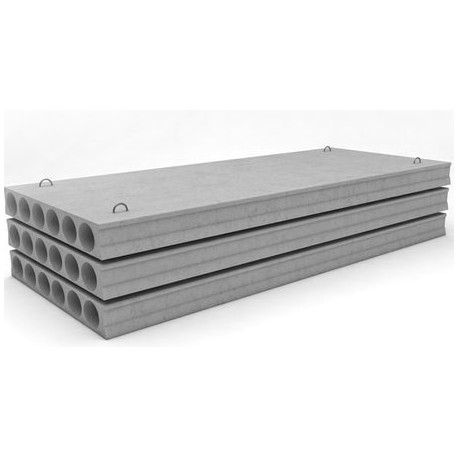
Except... many builders will find some other reason/excuse where prices are high to keep prices high. We were looking at building a house - talked to builder last November and... looking at $470-$480k range (ballpark estimate). Lumber was going higher, but we'd reduced the house plan size. Lumber kept going up... and up... Then... no parts were available (IIRC certain trusses were unavailable for months, that's just one that stuck out).
We regrouped a bit later. House was now going to be min $620k, but... no guarantee it would be $650k or $700k. Builder has been working on spec homes in the $700k-$900k range last few months, whereas exact same size houses 1 block away they were building and selling in the mid-$400s 14 months ago.
Before we cancelled the project, we asked why we couldn't build something smaller and target a time in a few months, as lumber was coming way down to where it was 18 months ago. "Everything else has skyrocketed..." which... I know things have gone up some in the last 18 months, but I think there's simply some "get high prices while you can".
When talking to some home finance folks, they're all saying "watch out for HELOCs in 18-24 months - people will be clamoring for HELOCs as they won't be able to sell these $700k houses they're buying, because they won't have appreciated at all, and the homeowners will be trapped".
There may be 'blowout' prices on lumber itself, but around here I'm not seeing any 'blowout' prices on new construction in the short term.